Car care in the UAE
How to Remove Small Scratches From The Car Body
Between fine desert sand, tight mall parking, and long summers in the sun, UAE cars pick up small scratches faster than most. The good news: many of them are shallow, and with the right approach the panel can look factory-fresh again.
Start here
Figure out how deep the scratch really is
Run a fingernail lightly across the mark. If it glides over, you are looking at a scuff in the clear coat. If it catches, the scratch has broken through the lacquer and possibly into the colour or primer. That single test decides whether you can polish it out or whether you need paint.
Layer 1
Clear coat
A protective lacquer on top. Most swirl marks and light key-scratches live here and respond well to polishing.
Layer 2
Colour coat
Once you hit paint, polishing alone will not fix it. You need touch-up paint matched to your OEM colour code.
Why it matters in the UAE
Heat, sand, and humidity work against you
Temperatures above 45 C flash-dry polishing compounds and touch-up paint too quickly. Fine sand acts like sandpaper on any panel you rub without washing first. Work indoors, in shade, or early morning.
DIY-friendly
One or two marks
A wax pencil, scratch-remover cream, or small touch-up bottle can handle isolated scuffs at home.
Call a pro
Multiple or deep scratches
Full panel machine polishing, colour matching, and re-sealing are jobs for a detailing studio.
Professional route
Why a specialist is usually the right call
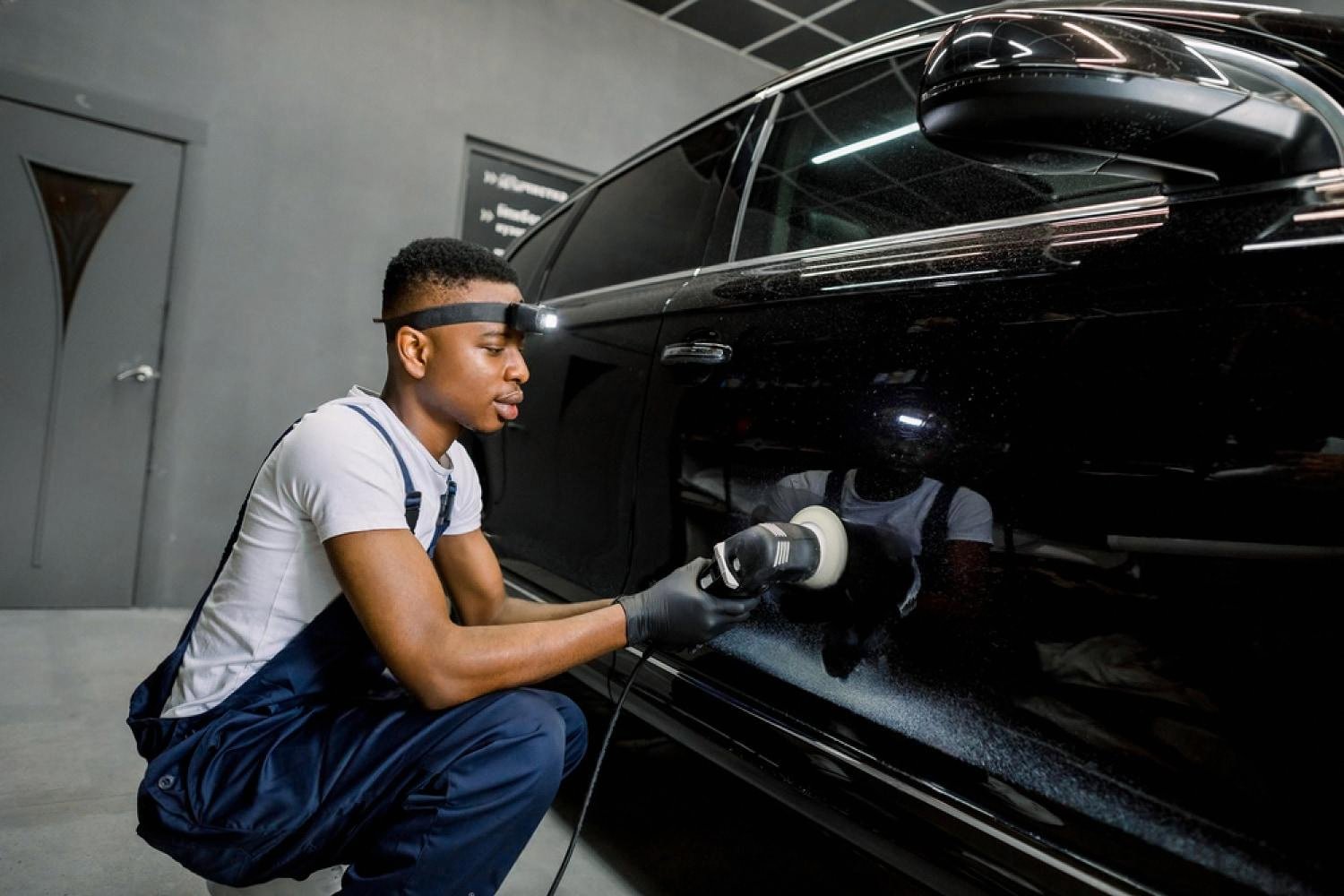
For anything beyond one or two isolated marks, a trained detailer will save you money in the long run. They start by measuring paint thickness with a gauge so they know how much clear coat they can safely cut. That single step protects you from the most common DIY disaster: polishing straight through the lacquer and exposing bare paint.
A good workshop then matches the compound and pad combination to your paint hardness, corrects the scratches with a dual-action polisher, and finishes with a fresh sealant or ceramic coat so the repair actually lasts under UAE sun. Booking a proper car polishing service also means the surrounding paint is not accidentally hazed or burned during the fix.
- Depth assessment with a paint thickness gauge
- Colour code matching for touch-up or spot spray
- Proper surface prep so the repair does not peel
- Protective top layer to slow future damage
Doing it yourself: a realistic DIY plan
If you only have one or two shallow scratches and want to try before spending on a workshop, the process is straightforward, but preparation matters more than the actual repair. Rushing the prep is the reason most home fixes look worse a month later.
- Wash and decontaminate the area. Rinse with plenty of water first to lift sand, then wash with a pH-neutral shampoo and a clean microfibre mitt. Any grit left on the panel will drag under your pad and create new scratches.
- Dry and inspect in good light. Move the car into shade or a garage. Direct sun makes it almost impossible to judge how deep the scratch is, and it dries products before you can work them.
- Test the depth. Fingernail test. Clear-coat only means try a mild scratch remover or polish. Through to colour means you need touch-up paint in your factory shade, found on the VIN plate or door jamb sticker.
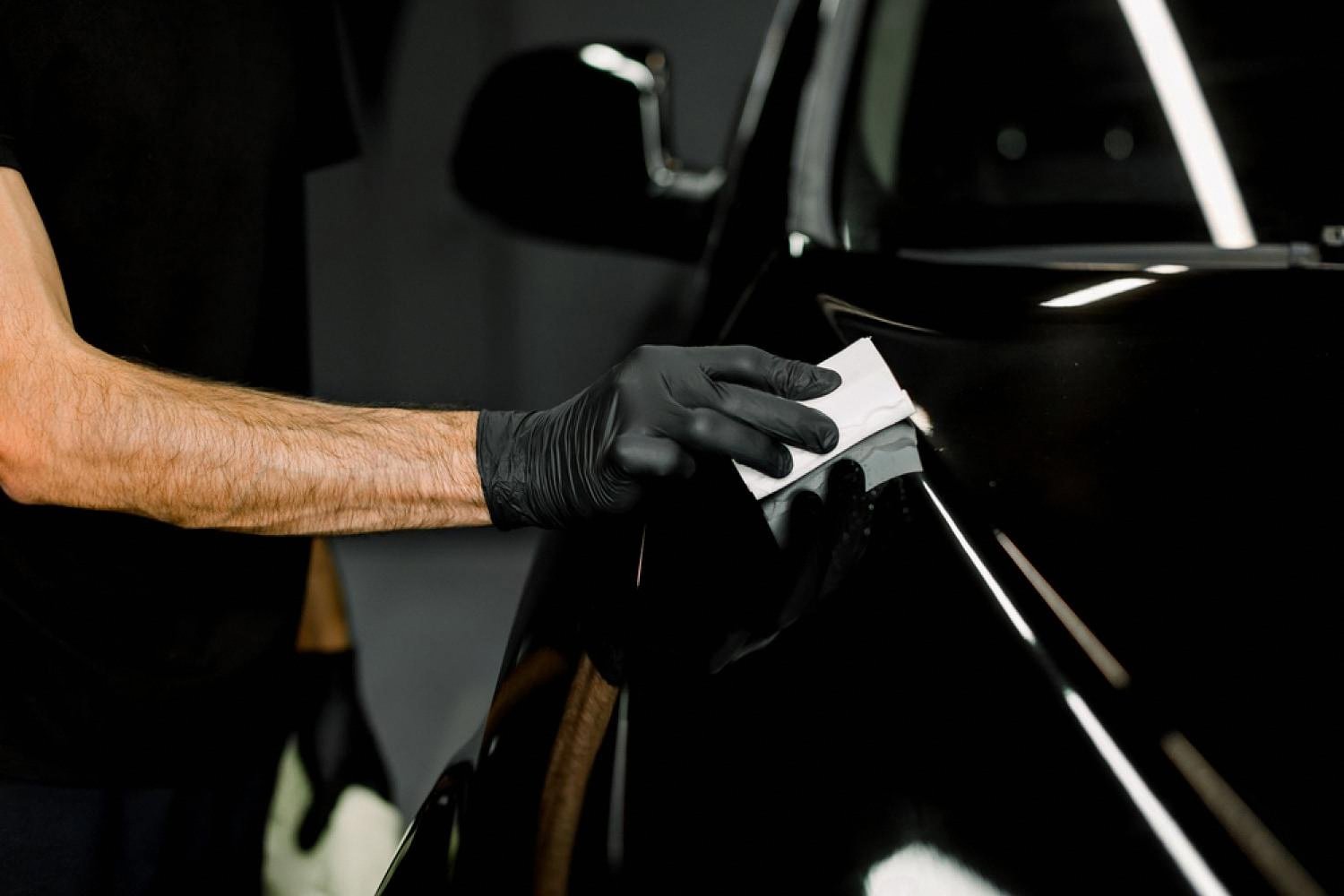
- Work in small sections. Apply product to an applicator pad, not the panel. Use light overlapping passes. Wipe off residue with a clean microfibre cloth before it fully hazes.
- Seal your work. Finish with a wax or spray sealant so the repaired spot has the same protection as the rest of the body. Skip this and the fresh paint fades faster than everything around it.
DIY tools that actually work on light scratches
Wax touch-up pencil
Fills fine scuffs in the clear coat and is very forgiving. Best for single hairline marks on doors and bumpers.
Scratch-remover cream
A mild abrasive that levels the clear coat around a shallow scratch. Apply with a foam pad, buff off with microfibre.
OEM touch-up bottle
A tiny tube of factory-matched paint for scratches that reach the colour layer. Build up in thin coats, never one thick blob.
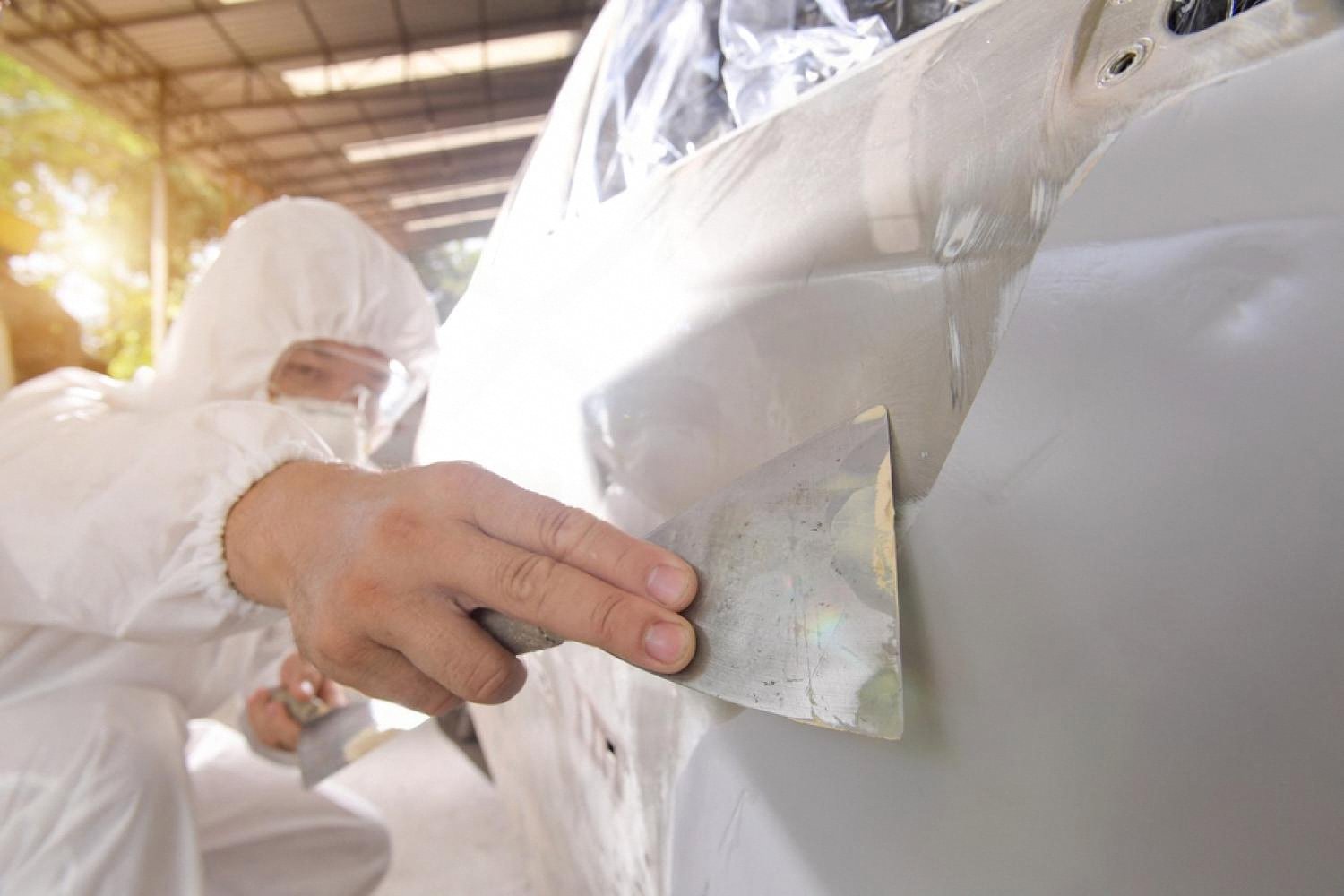
If the scratch catches your fingernail, stop reaching for polish and start looking for a body shop. Polishing deep damage only thins the clear coat around it and makes the professional repair harder later.
Protecting the paint after the repair
Fixing the scratch is half the job. The other half is making sure the same panel does not look identical in three months. In the UAE that means adding a real protective layer on top: a quality carnauba wax lasts six to eight weeks, a synthetic sealant three to six months, and a professionally applied ceramic coat one to three years depending on grade.
Combine that with sensible habits, hand-wash in shade, use two buckets, avoid drive-through brush washes that put swirl marks straight back into the clear coat, and park under cover when you can. Small, consistent care beats an annual heroic detail every time.
Frequently asked questions
Can I really remove a scratch at home, or is it always a workshop job?
You can safely handle very shallow scratches at home, the ones that do not catch your fingernail. A wax pencil, a mild scratch-remover cream, or a factory-matched touch-up bottle is enough for one or two isolated marks.
Anything deeper, wider, or spread across multiple panels is better left to a detailing studio. They can measure paint thickness and correct the damage without cutting through the clear coat.
How do I tell if a scratch is only in the clear coat?
Run a fingernail gently across the mark. If your nail slides over without catching, the scratch is inside the lacquer and can usually be polished out. If your nail snags, the scratch has broken into the colour or primer and will need touch-up paint or a spot spray.
Is machine polishing safe for my car’s paint?
Yes, when it is done properly. A dual-action polisher with the right pad and compound removes only a few microns of clear coat, which is well within the safe range for factory paint.
The risks come from aggressive rotary tools, cheap wool pads, or working in direct sun. That is why most UAE owners with more than a couple of scratches book a professional rather than experimenting themselves.
How do I find the correct paint code for touch-up?
Look on the VIN plate under the bonnet or on the sticker inside the driver’s door jamb. You will see a short alphanumeric code next to a label like PAINT, COLOR, or C/TRIM. Give that code to any paint supplier or your dealer and they will mix or supply a matched touch-up bottle.
How long does a professional scratch repair last in the UAE climate?
A polished and sealed repair typically holds up for six months to a year before it needs a refresh, depending on how the car is stored and washed. If the workshop finishes the job with a ceramic coating, you can extend that to one to three years.
UV, sand, and heat are the main enemies, so garaged cars always keep their repairs looking sharper for longer.
Will my car insurance cover small scratch repairs?
Comprehensive policies in the UAE often cover accidental damage, but the excess is usually higher than the cost of a single-panel polish or touch-up. For small scratches, most owners pay out of pocket and save the claim for larger incidents that also affect their no-claims discount.
Can polishing remove scratches from matte or satin paint?
No. Matte and satin finishes should never be polished with standard compounds, because polishing creates gloss and will leave visible shiny patches. Scratches on matte paint require specialist products and, in most cases, professional attention or a full panel refinish.