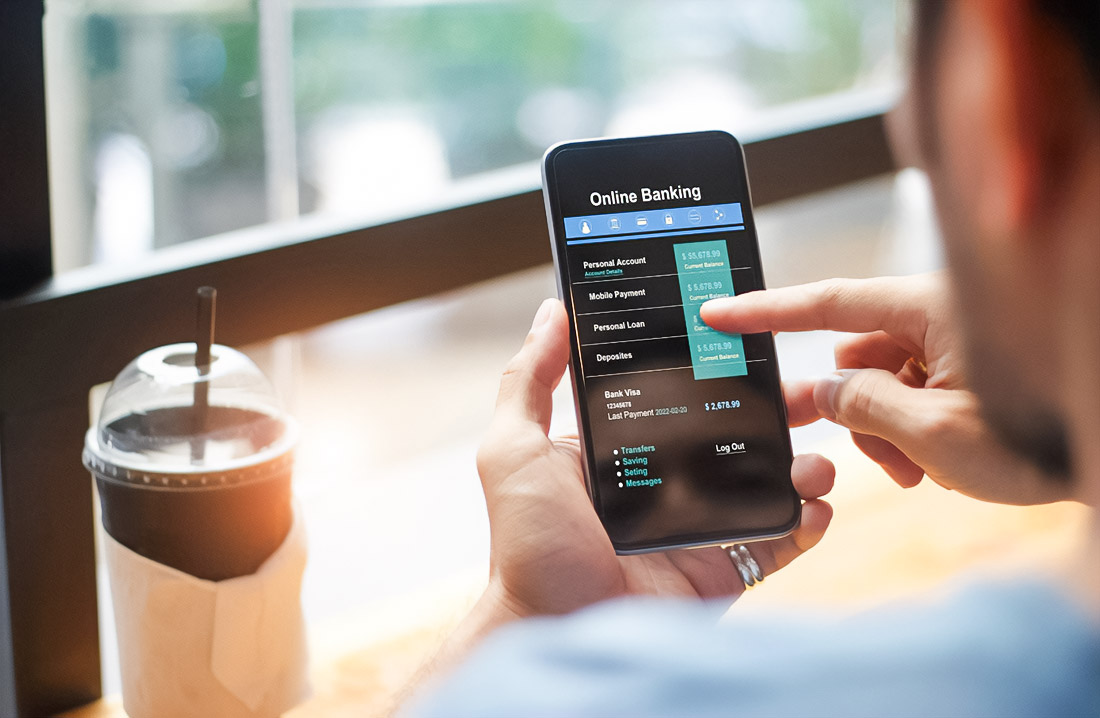
Sending money home for expats in the UAE has long been a routine. But the usual ways often hit the wallet. Bank fees are rising, hidden payments are popping up suddenly, and deadlines are dragging on. People are looking for a way out and find it in mobile wallets, online platforms and blockchain solutions. This is where remittances, digital wallets, mobile wallets, cross-border transfers, and stablecoins come into play. These tools reduce the cost of transfer, speed up delivery, and increase transparency.
The market is changing before our eyes. According to official statistics, the volume of outgoing personal transfers from the UAE in 2024 reached 183 billion dirhams. A year earlier, it was 169.2 billion. The country is one of the top three global senders. Almost all residents send funds at least once a year. Two thirds chose digital channels instead of branches of exchange houses. This is not an accident. Users appreciate user-friendliness of interfaces and fast processing. Safety and clear conditions are important to them.
The difference in fees is noticeable. Banks charge about 14 percent on average for a transfer of $200. Exchange houses are kept at 5.4 percent. Mobile apps lower the check to 2.8 percent. Every tenth of a percent matters. Especially for low-paid and unbanked workers. They are switching to digital remittance apps en masse. They need multilingual interfaces, easy navigation, and barrier-free account access. Many people choose solutions with a digital IBAN wallet. It helps you receive a salary, store funds, and make international payments while staying connected through digital bank account UAE systems that simplify financial management for expats.
The Role Of Regulation And Technology In The Security Of Transfers
Regulation is increasing, and trust is growing. Licensing of providers by the UAE Central Bank protects the consumer. The AML and CTF frameworks work. KYC checks reduce risks and discard questionable transactions. Monitoring tools are being deployed in parallel. They track the exchange rate, record the exchange rate spread, and prevent the fee from being hidden in the exchange margin. Transparency is becoming a standard, not an advertising promise.
Fintech is moving the market forward. Fintech platforms cover the pain in terms of speed and cost. Real payments are almost instantaneous. Real-time translation tracking. Support via chat and hotline. Blockchain adds another layer of efficiency. Transactions are recorded on-chain, and the chain of intermediaries is reduced. Stablecoins pegged to dollars or dirhams help to avoid delays on correspondent accounts. The money arrives faster, and the recipient’s total amount becomes higher.
User behavior confirms the shift. Half of the survey participants choose digital services for their convenience. Almost the same proportion calls security and privacy. At the same time, high fees remain a major pain. People compare not only the fee, but also the total amount to be received. They look at the speed, coverage of banks and regions, daily and monthly limits. The provider who gives the best total received according to the actual calculation wins.
The Future Of Cross-Border Transfers In The UAE
The scale of the market is impressive. The total valuation reaches about $39 billion. The forecast for transactions indicates growth to 6.59 billion by 2030. The average annual rate is about 16.91 percent. The real-time payments sector is accelerating. In 2023, the number of such operations increased by 53 percent and reached 58 million. 162 million are expected by 2028. This trend is related to mobile wallets, user-friendly applications and a decrease in the share of cash. The habit of paying and transferring money over the phone is getting stronger.
Financial inclusion plays a key role. The country has a very high percentage of expats. They need accessible channels without unnecessary barriers. Simple applications, clear pricing plans, instant notifications. Multilingual support and the ability to quickly verify identity have become crucial for many. The presence of KYC and clear rules helps those who previously stayed outside the system to log in. Such users appreciate transparent exchange rates and zero hidden margins.
Practice shows that comparing providers is worth it. Don’t believe the slogans about zero fees without checking the course. Evaluate the spread, see the total amount to be received, and check the time frame for crediting. Consider the fees on the recipient’s side. The provider may promise zero fee, but weaken the course. The overall result for the family is important, not the banner with the promotion.
The balance between innovation and control becomes the main plot. The regulator is expanding the licensing of payment services and wallets. Market participants implement AML and CTF practices, automate compliance, and conduct audits. Monitoring tools and real-time dashboards help to maintain the quality of service. In parallel, cooperation between banks and fintech teams is being formed. It combines reliable infrastructure and flexible technologies. UPI integration, acceleration of cross-border transfers, strengthening of anti-fraud systems and analytics based on behavioral patterns are on the agenda.
Further reducing the cost of transfers remains a strategic goal. We are talking about approaching the target of 5.4 percent and below. This is expected by users who send small amounts regularly. This is required by the general trend towards transparency and accessibility. The winners will be services with a fair price, fast deposit and wide coverage.
The result is simple and pragmatic. If you are an expat and want to optimize your remittances, act systematically. Compare providers not by slogans, but by numbers. Look at the exchange rate transparency and the recipient’s total amount. Check the licenses and security policy. Take into account the limits, the geography of payments and the delivery time. Keep a mobile wallet with convenient identification and an intuitive interface handy. This way you will reduce costs, speed up transfers and increase control over money.
The market is growing, technology is getting stronger, and the rules are becoming clearer. The competition between MTOs and fintech solutions is intensifying. The winner is the user who knows how to count and does not lose attention to detail. For many families, every tenth of a percent saved turns into real food, medicine, and education. This is the best motivation for making an informed choice of the translation channel.